Party Menu Planning
Good menu planning means paying attention to color texture and taste
NOW that you have made the basics decisions about your party and you know the meal and the type of service you will have; it's time to do some party menu planning.
As a personal chef and cooking enthusiast, menu planning has always been my favorite part of the whole gastronomic process, if you will. I love thinking about the possible flavor, texture and color combinations and sometimes I can actually “taste” a dish before it materializes. I think fellow foodies know what I mean.
START by looking at what you already have on hand. That pork shoulder (if it hasn't been in the freezer more than 2 months or so) would make an excellent main dish or could be sliced for fajitas, quesadillas or sandwiches. Pair this with the staples you have on hand and come up with as many dishes ideas as possible.
VISUALIZE your amazing menu by pouring over your hundreds of cookbooks and of course by searching Chef-Menus.com. I have been guilty of spending hours upon hours doing this. Now, I have to limit myself to 5 cookbooks and 1 website - that’s it!
- It's good advice not to attempt a menu with all new recipes. Be sure to mix in your creative new dishes with your “house speciality”. Don't try to overly impress--just have a good time
- Check out the weekly specials at your local grocery store or at your favorite seafood and meat markets. If it’s budget friendly, party time is the time to splurge on quality ingredients
- If your party is in a week or so, purchase and freeze those Cornish hens on sale and plan on stuffing them with a dried cherry and wild rice dressing
- TIP - make menu decisions easier - choose an ethnic theme and serve traditional flavors
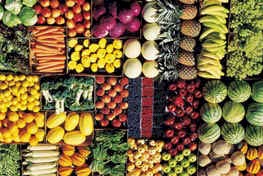
Let the season guide your menu planning. You’ll be amazed how seasonal fruits and vegetables enhance both the flavor and texture of your dishes and are less expensive and more readily available.
In fact let the season shape your menu. It's how all the great chefs do it! Shop the local farmers market for seasonal favorites. In the supermarket, ask the produce manage if you are unsure about what's freshest.
The Well Balanced Table
When menu planning, design courses that interact and blend harmoniously with the subsequent courses. Thoroughly please the palate of your guests by paying attention to the tastes, colors, textures and temperature of your dishes.
For instance, the main course for your PTA luncheon’s will be Cheesy Baked Ziti and Italian Sausages with Mustard.
To achieve a balance of taste, color, texture and temperature; the courses before and after should be complimentary and light such as a cool simple salad and/or cold, colorful and juicy fruits. This will cool the stomach and prevent appetite overload.
Flavor and Taste
Consider taste at every step of your cooking. Think what can be done to achieve the most intense and satisfying flavor in your dishes. The key to great flavor are high-quality ingredients (the best you can afford) and seasonings.
It is quick and easy to use oils, marinades, herbs, wines, vinegar and lemon juice to transform basic foods and simple ingredients into deeply satisfying dishes. Trust your senses and experiment.
Of course, each dish you prepare is delicious on its own, but think how it compliments or contrasts the rest of the menu. For instance, consider the richness and spiciness of each dish you want to serve and pair that with foods that are light and moist or fresh and mild.
- Go with the flow of flavors but don't have too many repetitive flavorings, such as onion dip, rice pilaf with caramelized onions and tossed salad with green onions
- Include at least one hot and spicy dish to an otherwise mild party menu to provide a stunning contrast
Color
You have color coordinated your balloons and napkins, now how about your meal? Think of appealing food colors such as dark greens, bright reds and sunny yellows. Imagine the color combinations while you are menu planning
- Choose a variety of colorful foods but not too many of any one color. In other words, nix the cauliflower, mashed potatoes and fettuccine Alfredo on the same menu
- Garnishes are easy color boosters. Try parsley, edible flowers, radishes, green onion curls, herb sprigs and lemon, lime and orange slices
A little diced red pepper on poached fish and a sprinkling of multicolored peppercorns or fresh herbs on boiled potatoes will not only add color--but flavor as well.
Texture
Contrasting textures add yet another dimension to the overall eating experience.
- Think in terms such as creamy, crunchy, chunky, silky and grainy
- Try not to have too many foods with the same textures
- Soft, creamy foods tend to be filling and crunchy foods are not
- Avoid serving the same types of food (pasta salad and lasagna) and using the same cooking methods (fried everything)
Roasted walnuts add a delightful crunch to a pear and lettuce salad or try garlic rubbed croutons in your creamy tomato soup.
Temperature
Serve foods of varying temperatures, such as cold salad, warm bread and hot pasta. Some foods even taste better at room temperature. This also makes buffet service easier because it minimizes the number of dishes that must be kept hot or cold.
Just For Fun!
Taste and texture combinations to serve on a buffet:
1 spicy, 2 savory, 1 sweet, 2 crunchy, 1 soft, 1 hard chewy
1 tangy, 2 spicy, 1 soft and neutral, 1 crunchy, 1 sweet
1 savory, 1 soft, 2 crunchy, 2 spicy
Home | Privacy Policy | About Us | Contact Us | Search
Copyright © 2025 WebDeb. All rights reserved
Comments
Have your say about what you just read! Leave me a comment in the box below.